

What have we done?! I asked myself.
There’s something about maps that opens the mind, and I kept staring at one.
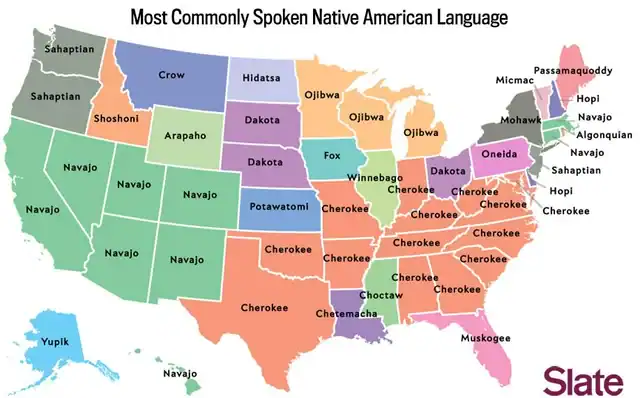
Daydreams can be nightmares—or just reality.
The whole thing began, as you might recall, on July 25, 2025, when I landed at the Indigenous Music & Arts Festival in Victor, New York.
From there came a book, and not one for shelf decoration.
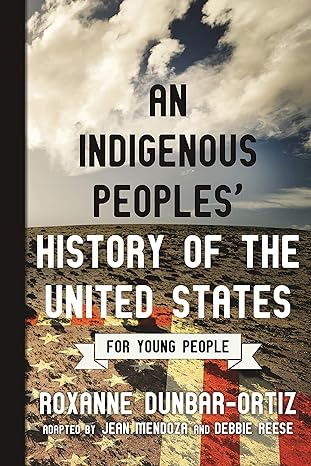
This one I actually read. There was, of course, my natural tendency to dive deep, but this exercise was also driven by guilt.
In my new book series, I take pride in condensing or distilling or performing whatever action results in concision.
But had I gone too far?
In The Essence of Rochester, New York, I had devoted just three lines:
Let’s start from the beginning—well, maybe not all the way back to the Big Bang. We’ll start with Native Americans. Next came the new arrivals, first New Englanders and then immigrants from other European countries.
In The Essence of Buffalo, New York, I tossed in another two:
The land we now refer to as Buffalo, located at the Eastern tip of Lake Erie, was inhabited for centuries by various native groups. After the American Revolution, the native groups—which had sided with the British—lost their land to those of European origin.
The visit to the festival forced me to start reading between the lines, my own lines.
In modern times, such insight is delivered by Google, large language models (LLMs), or both.
And from there came the map.
As I stared, it was not about blame.
Nor was it about the juvenile and rudimentary right versus left.
There was no desire to recreate history in reverse or to hold descendants of wrongdoers accountable.
There was, simply, the recognition of loss.
I thought about our upcoming trip, flipping languages from Mohawk to Oneida to Dakota to Cherokee.
Instead, we would speak just one, and it was none of the above.
And I asked myself once again, What have we done?


2 Responses
Very cool maps and definitely eye opening to see it on a map like this
Absolutely! Politics/warfare/religion/whatever aside, the loss of language is always sad.